Do all fireplaces have a damper?
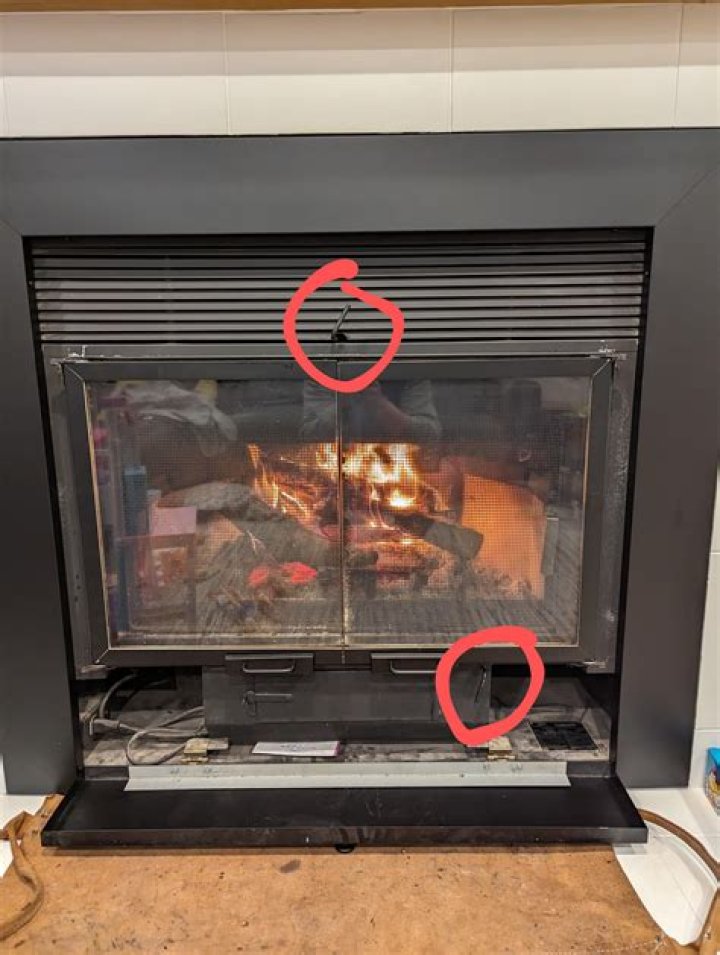
Every Fireplace has a chimney damper. This is a movable plate that sits above the fireplace before the flue. If you pull the lever toward you, generally that will open most of the dampers. When the damper is closed, it helps to keep heated air from going up the chimney.Click to see full answer. Considering this, does a fireplace need a damper?Wood-burning fireplaces usually have a damper installed in the upper part of the firebox. The damper is designed to be shut when the fireplace is not in use and can be easily opened when it is. One caution, though: Fireplaces with installed gas logs are required to have the damper open at all times.Beside above, is a damper and flue the same thing? The flue is simply the open middle of the chimney that the smoke goes up. Dampers are sometimes miss-called flues or flutes, but they are something entirely different than the flue. A damper is intended to shut off- either fully or partially- the chimney flue. Subsequently, question is, what if my fireplace doesn’t have a damper? A draft eliminator, also called a chimney balloon, can quickly fix a damper issue. If it tumbles down, take some air out until it sits firmly in the chimney. When you plan to have a fire, remember to remove the draft eliminator or the room where the fireplace sits will quickly fill up with smoke.When should I close the damper on my fireplace? Close Fireplace Damper When Fire Is Completely Out. If necessary to keep the fire burning well and smoke-free, you may adjust the damper into a semi-open position. Shut the damper when the fire is completely, absolutely out. That means ashes are cool to the touch even when stirred.