What causes a house to settle?
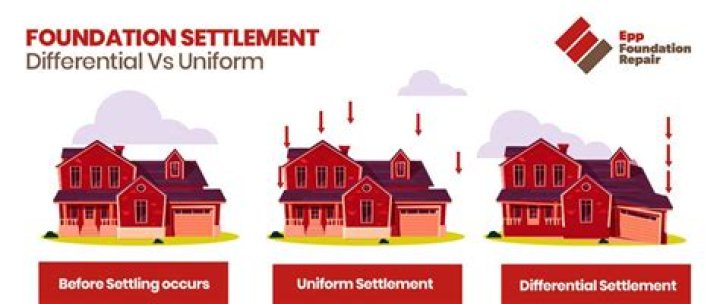
Actually, houses do settle. When they begin a downward plunge, joints and floorboards can creak, which accounts for the mysterious sounds in settling homes. And given a long enough time line, all houses eventually will settle. By far, the most common reason for a house settling is improperly backfilled soil.Click to see full answer. In this way, how long does it take for a house to settle?Your house is three years old. All structures will “settle” when completed. Buildings generally bed down following construction and this can continue for up to 10 years after completion. In tandem with typical settlement, buildings are subject to thermal movement.One may also ask, how do you settle into a new house? Day One: Review your home’s safety features. Change the outside door locks of your new home as soon as you move in. Clean before you begin unpacking. Tackle boxes on priority. Keep track of your paperwork. Continue with the unpacking. Start making it a home. Get into your regular routine. Explore your neighborhood. Just so, how do I stop my house from shifting? 5 Steps to Avoid Cracks in Your Home from Shifting Soil Install rain gutters and downspouts around the house. Grade all soil at the perimeter of the house so that it directs water away from the house. Don’t flood landscaping adjacent to and surrounding the house. Do houses ever stop settling?Actually, houses do settle. When they begin a downward plunge, joints and floorboards can creak, which accounts for the mysterious sounds in settling homes. And given a long enough time line, all houses eventually will settle.